
As we continue to think about the connections between coding and problem solving, let’s consider this quote from TechWise:
Solving any complicated problem is rarely done through a straight line. Complicated problems require solving one problem and then the next. Complicated computer programs involve multiple variables, objects, and other moving parts to produce a final result. Sometimes those moving parts will require you to fix something small to get the big result.
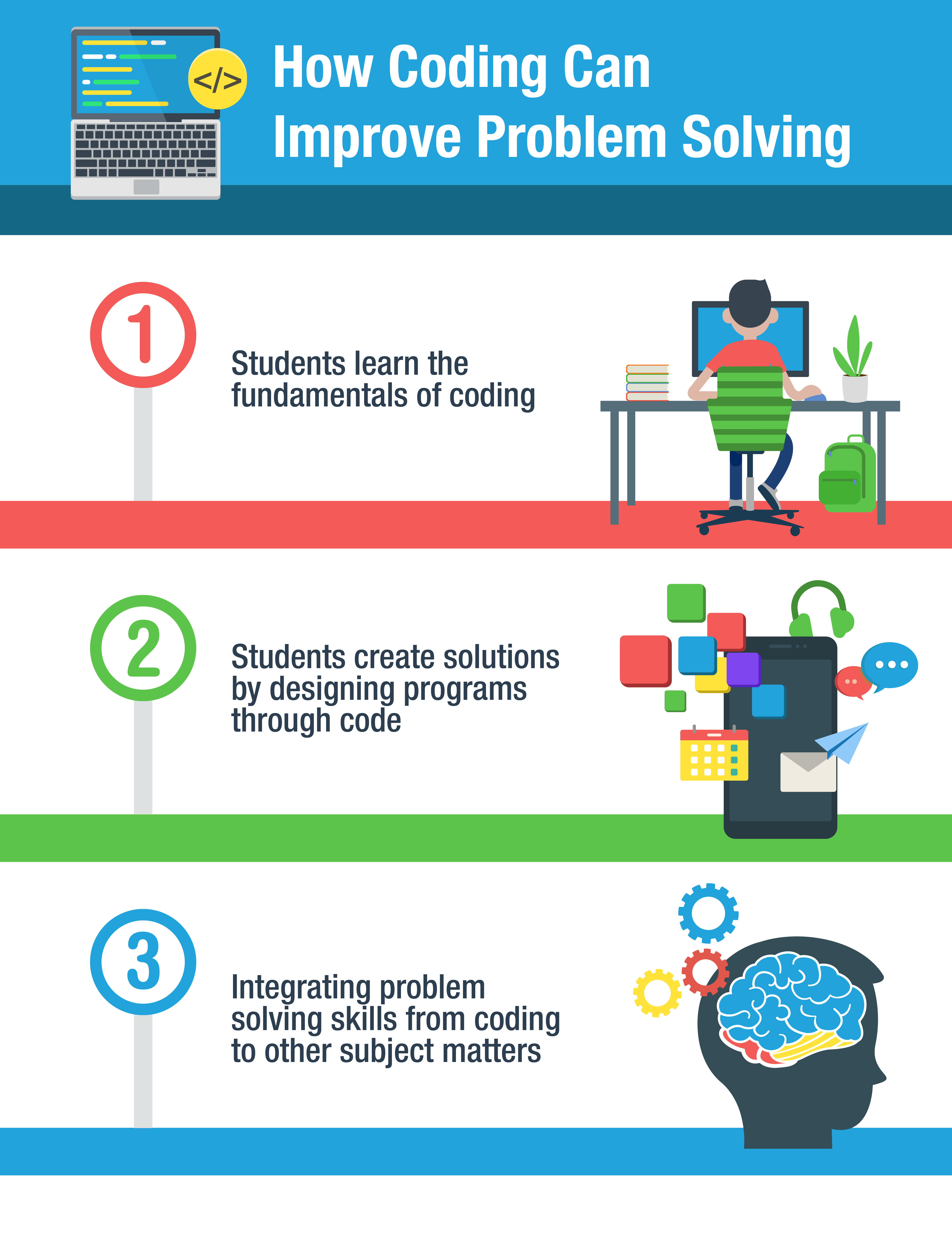
Teaching loops in computer programming allows us to bring these principles to our students. We help students manually work through the entire process of the problem. It produces more lines of code, and it helps them see a pattern and see how the pattern solves little problems along the way. Finally, they can translate the pattern into a loop which accomplishes the same goal in less lines of code. Many times they include some form of debugging somewhere in the middle.
Or as we at Anomaly state:
The Anomaly Learning platform teaches students how to be critical thinkers and problem solvers while developing skills in technology and coding
What is interesting about coding or computer languages is that these are directional and constructive codes that produce items, shapes, real world designs and products that can be used and applied within certain criteria and provide the solution required. Also, codes can be creatively used, interactively used and innovatively used; there are no preset limits to what can be coded. The designer/user/student is who uses the codes to produce what is required and what is to be utilized. Therefore, this is observing the process of problem solving from start to finish. That is really cool!
TIP: Coding isn’t confined by a problem, it responds to a problem.
Coming up next, “I already address problem solving in my lesson plans.” - Stay tuned...