
There are many different ways in which to create an integrated learning environment for your students. Colleges and grade schools approach the concept differently, however, the reality, is, the concept has a broad enough scope to include a variety of approaches:
Integration of subject areas (curriculum).
Integration of teaching methods (groups, pairs).
Integration of technology (online tools, in class tools).
Integration of explore and discover learning strategies.
The reason? So that a full learning process can emerge and evolve. This is more likely to help each student learn and understand what is being taught. It prevents content being learned in isolation but rather, to see how and where it connects with whatever else the student already knows or what ever else the student will learn. It means that the learning will more likely be holistic and useful for the student.
TeachHub.com provides an interesting resource and helpful explanations and examples of how teachers can integrate the school curriculum – a “cross-curriculum” approach. They begin with an integrated look at science across the curriculum. They focus on why it is important to help students see the connection points across various subject areas in order to gain a truer understanding of the concepts:
One of the most powerful strategies that we have ever learned as teachers is taking a cross-curricular approach in planning lessons and units for the school year, as we are able to incorporate curriculum expectations from various subject areas to create an engaging activity.
So, try and “stand “ in the core of your subject and look around the “full circle” and identify which other subject areas, topics, or applications could be integrated to help your students understand the material more holistically.
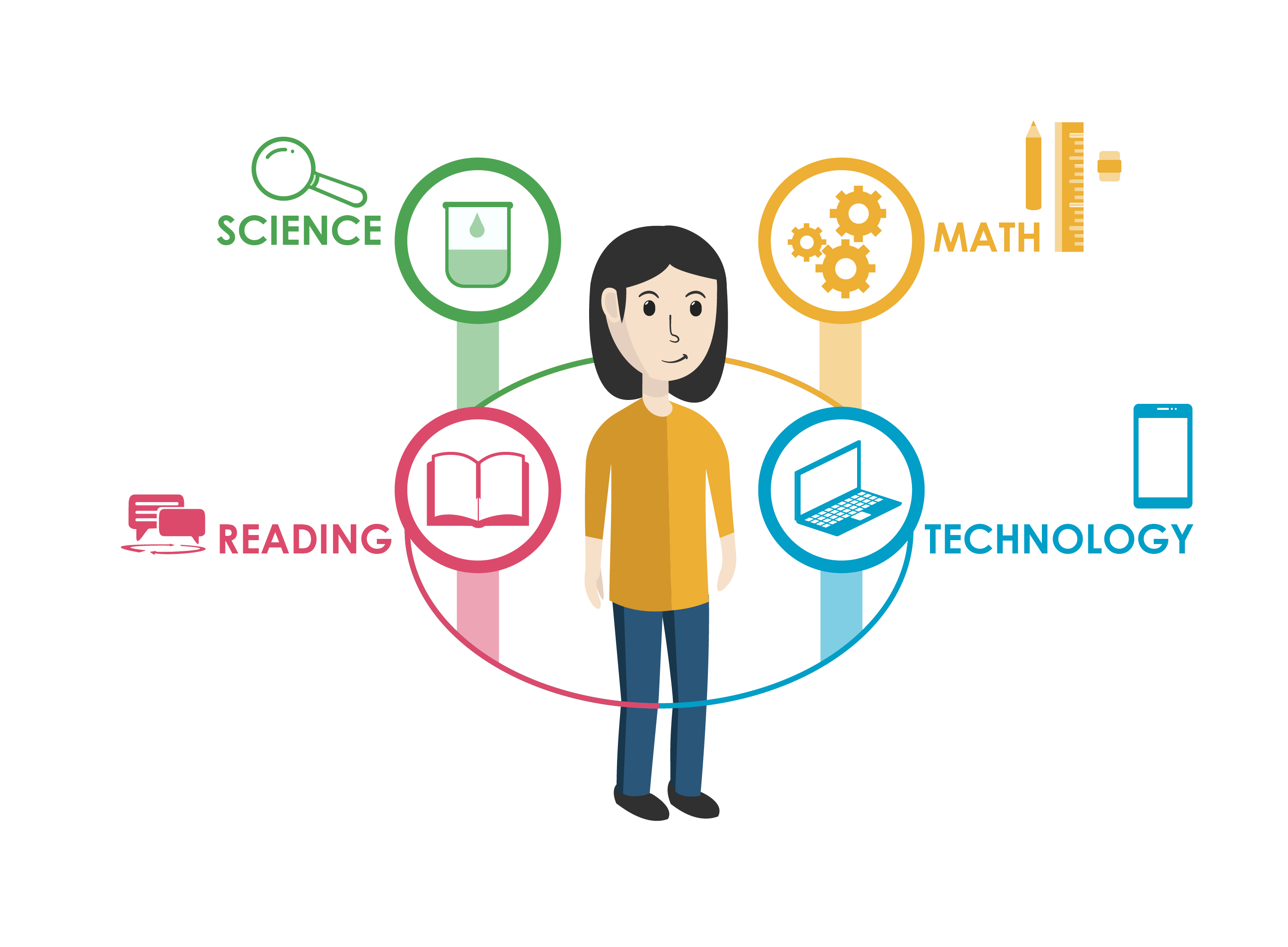
TIP: When planning instruction, think about a fully integrated approach to the subject.
Coming up next, “Academic standards are subject-based and cannot be integrated”. Stay tuned...