
It is true, of course, that there are literacy classes that support instruction for those students who need additional help. That is, however, not the extent of literacy development for students. Just because students are in mainstream classes does not mean they do not require attention to literacy development.
Indeed, early literacy is fundamental, and many sources confirm the importance of early literacy for ongoing academic success. However, if literacy is not a continued focus, many students can emerge from high school and even enter college with less than required levels of literacy ability. Oliver Dreon (2017) posted the following in an article for Faculty Focus:
About a year ago, I was really confounded by my students’ trouble with reading for deep understanding. While I could see that the students were completing assigned readings, they weren’t always able to process the information deeply to analyze the concepts or apply the content to new situations.
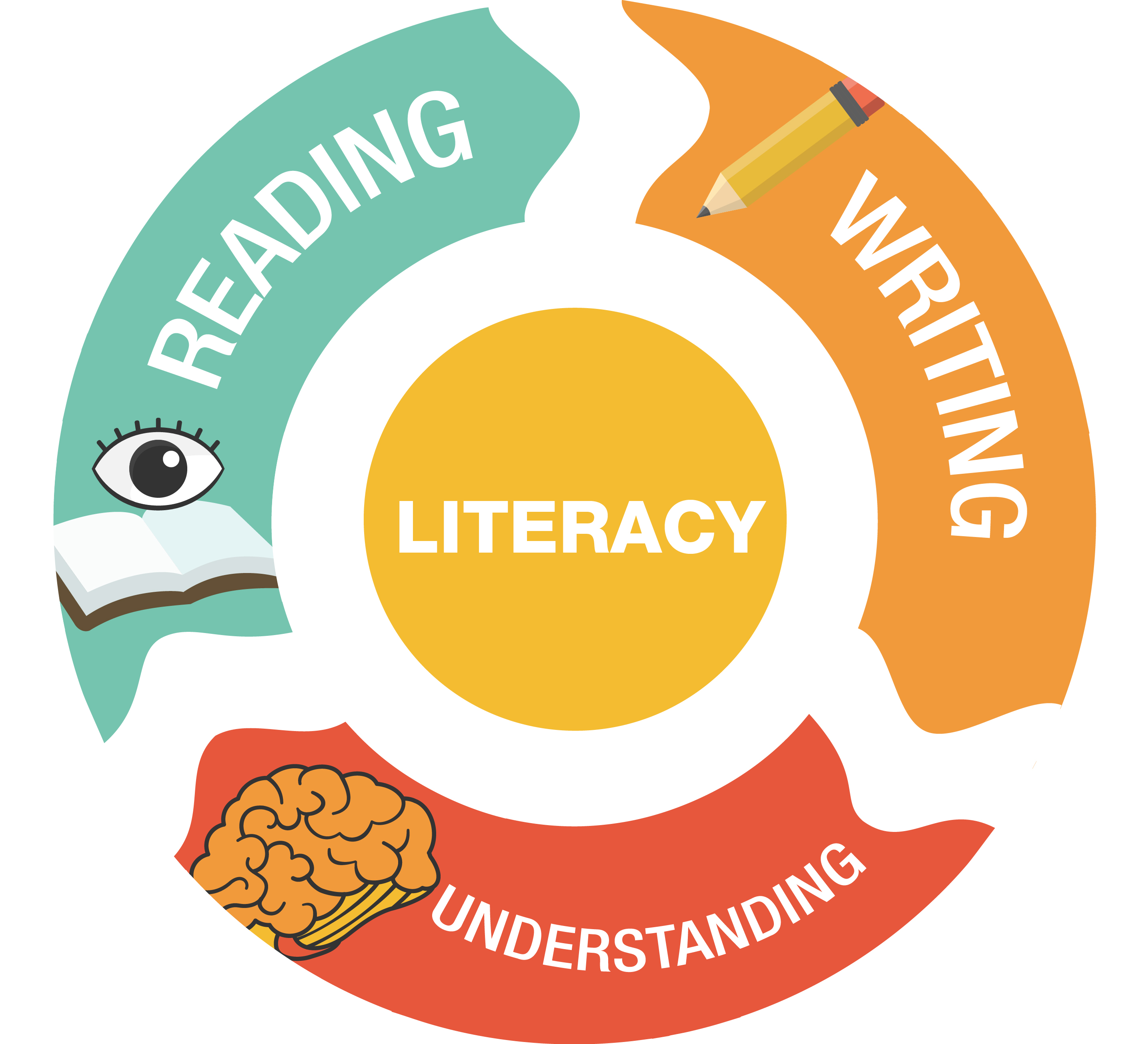
The problem is that the assumption often made concerns what literacy actually is. Simply being able to read a text does not qualify as developing literacy. Reading to understand and apply, or to discuss or debate requires students to be able to read at a higher level. Indeed, in current educational environments and life in general, students should be able to use their literacy skills to decipher meaning in various media-based digital contexts of use. This requires ongoing development and a great amount of practice and use.
TIP: Make sure every class you plan for includes literacy development.
Coming up next, “I don’t teach literacy.” Stay tuned...