
For a moment consider this, content is subject material while thinking, like literacy skills, supports students as they grapple with and understand the material. While we might know this, sometimes as teachers, we don’t spend enough attention on just how students are thinking. Here are some questions to consider about your students: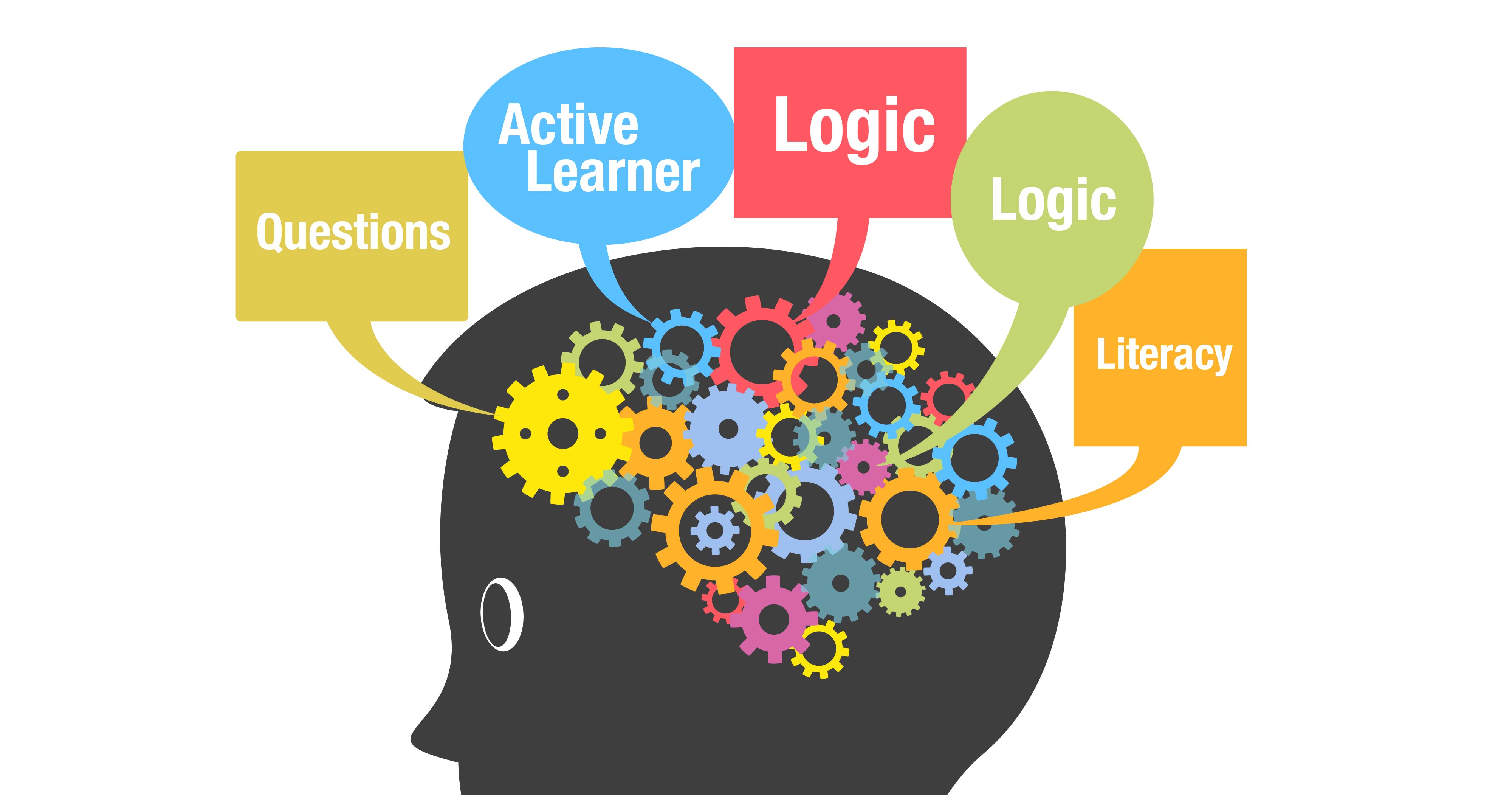
Do they ask questions?
Are they passively involved or actively involved in their learning experience?
Do they always seem to wait to converse rather than listen quietly?
Can you recognize a logical connection from where their conversation begins and where it ends on the subject or topic area?
Do they find it difficult to explain something?
Do your students enjoy questions or try to avoid questions?
While every student is different, teachers can learn much about how each student is thinking by answering those questions above – you will begin to see patterns and realize that some students are thinking logically and understanding clearly by simply how they think. Other students seem to remain confused and often disengaged again because of how they are thinking about and through the subject or topic.
An interesting chapter written by Karen Tankersley concludes:
Learning to synthesize, evaluate, and process information in new ways is the key to preparing students for the world outside of school. We can no longer leave literacy development to language arts teachers. All teachers must learn to model their thinking processes and “make the invisible visible” to students. With the tightening of the higher-order thinking thread, the literacy weave will be complete.
TIP: As a teacher, become a student of thinking.
Coming up next, “I already challenge my students to think!” Stay tuned...