
As we've already discussed in these Blog posts, "hands-on" has now moved well beyond the literal scope of physical manipulation or construction. With new and newer technology, we are redefining hands-on and also broadening the scope to include work that engages students, provides active responses and applications, increases student confidence and student authenticity. So, with all of these to consider, hands-on can truly happen online.
The Center for Instructional Technology and Training at the University of Florida state:
Strategies for incorporating active learning into blended and online courses can include well-conceived discussion prompts, synchronous online meetings, cooperative group work, "flipping" classrooms, adaptive assessments, virtual interactions, and developing problem-based learning assignments or activities.
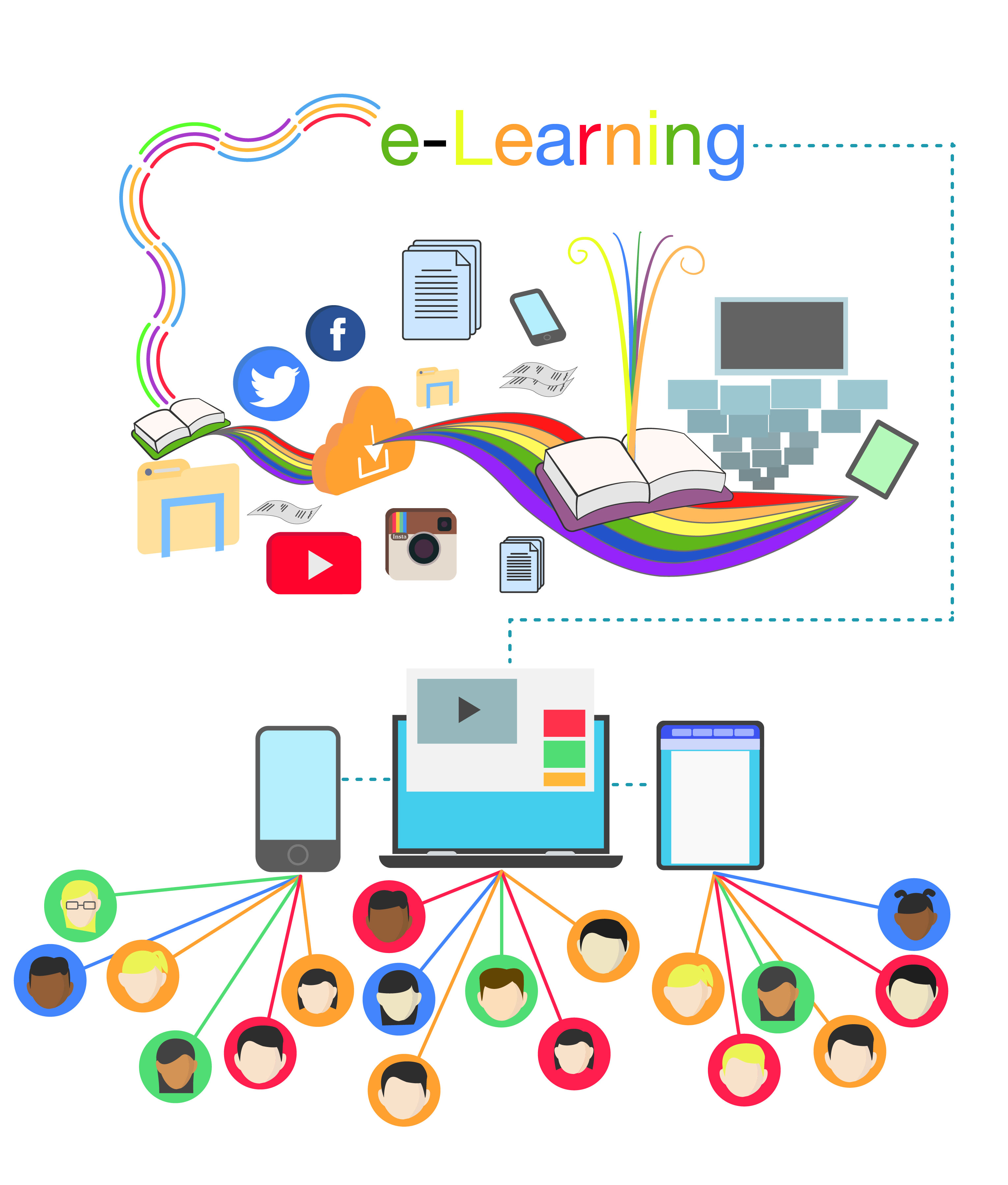
Therefore, whenever you can interject the instructional flow with open ended questions for discussion, set up synchronous meetings, create online asynchronous project groups, provide opportunity for student "production" in response or presentation in anyway, you are using hands-on methods.
So, rather than think of online as passive and teacher-driven only, recreate the learning space to include instructional activities that engage and empower the students.
TIP: Ask yourself, how much of this lesson is led by me and how much is led and driven by the students?
Coming up next, "I hate the word facilitation!" Stay tuned...