
| Posted December 10, 2025 | By Joshua Lomelino, M.F.A. | Categorized under Memberships Mastery Podcast |

The proposal fell through. The client ghosted. The pipeline you thought was solid just evaporated overnight. And suddenly, you're scrambling—again—wondering where next month's revenue will come from.
This is the silent terror every service-based entrepreneur knows but rarely admits.
You close a big deal, celebrate for a moment, then immediately start hunting for the next one. Because when services revenue dries up—and it always does eventually—there's nothing underneath to catch you.
Here's the brutal truth: you're one last client away from panic. One slow season away from desperation. One market shift away from starting over.
I know because I lived in that anxiety for years. Riding the high of signed contracts and crashing in the silence between deals. I was making money, but I was building on quicksand. Every win felt temporary because it was.
The biggest lie we believe? That if we just close enough deals, work enough clients, land enough projects, we'll finally feel secure.
We won't. Not without something underneath.
If you're tired of the feast-or-famine cycle—if you're exhausted from constantly needing to land the next client just to survive—this is for you.
In the next few minutes, I'm going to show you:
Why services revenue creates the illusion of success while keeping you trapped in constant hustle mode
The critical safety net that transformed my business from client-dependent chaos to predictable, compounding stability
How to build a foundation of recurring revenue that keeps you afloat when services dry up (because they will)
This isn't about abandoning your services. This is about finally having a backup plan that actually works—slow, steady recurring revenue that catches you when the deals stop coming.
Because the time to build your parachute isn't when you're already falling.
The biggest lie entrepreneurs believe?
That one big sale equals success.
I used to think that way. The adrenaline of closing a deal. The little dopamine hit when the payment notification popped up on my phone. The short-lived pride of a launch day that finally went live.
It felt like winning. It felt like proof that I was on the right track.
But here’s the truth no one tells you: one-time sales are like sugar highs. They feel good for a moment, but they don’t last. And worse, they trap you in a cycle of constantly needing the next fix.
The more I chased that next “hit,” the more I realized I wasn’t building a business. I was building a treadmill.
The Highs That Didn’t Last
When I first started creating digital products, I treated every launch like a lottery ticket.
Weeks of planning. Mapping out funnels. Designing email campaigns. Recording videos. Stacking bonuses so big I thought people couldn’t resist.
Launch day would come, and boom — thousands of dollars would hit my account. The rush was real. I’d celebrate with my family. I’d tell myself, “This is it — I’ve made it.”
And then? Silence.
The high faded in a matter of days. The inbox dried up. The excitement turned into dread. Because I knew what it meant: back to the drawing board. More funnels, more content, more hustle.
The cycle repeated itself so many times it stopped feeling like growth. It started feeling like survival.
That’s when the metaphor of the treadmill became painfully clear. I was running harder and faster every month… just to stay in place.
The Wake-Up Call
The turning point came after one of my “best” launches.
Revenue looked strong. On paper, it was a win. But as I looked at my numbers, I asked myself a question that I had been avoiding for years:
“How many of these customers will I ever see again?”
The answer was brutal. Probably none.
That moment hit me like a freight train. One-time sales weren’t building me a future. They were keeping me trapped in the past.
Revenue gave me short-term validation. But revenue without relationship is hollow. It doesn’t multiply. It doesn’t create legacy.
And that’s when I realized something simple but radical:
One-time sales give you money.
Memberships give you meaning.
Why Memberships Are Different
When I shifted from one-time launches to membership-driven models, everything changed.
Memberships gave me three things I had never experienced before:
Stability. No more starting at zero each month. Predictable revenue replaced the feast-or-famine cycle.
Scalability. One course, one piece of content, one framework — suddenly serving hundreds instead of just one.
Legacy. Because every month wasn’t just about sales. It was about transformation. Members weren’t “done” after a checkout page. They were part of a journey.
The Three Lessons That Changed Everything
When I look back at those treadmill years versus where I am now, three lessons stand out:
Lesson One: Sales Don’t Equal Security.
A big launch might pad your bank account for a moment, but memberships create stability because you’re not resetting every 30 days. Each month builds on the last.
Lesson Two: Transactions Don’t Build Trust — Time Does.
One-time sales give people a product. Memberships give people an ongoing relationship. That recurring value is what earns loyalty.
Lesson Three: Impact Multiplies with Community.
One-time buyers consume alone. Members grow together. They encourage one another, share wins, and hold each other accountable. That’s not just content delivery — that’s transformation.
The Paradox of Progress
Here’s the paradox:
Chasing big launches feels faster, but it’s actually slower.
Memberships feel slower at first, but they compound over time.
One-time sales are a sprint. Memberships are a marathon. And the marathon gets faster with every mile.
In the early days, I hated how “slow” memberships felt. Growth didn’t spike the same way. But month after month, I noticed something incredible: the base kept growing. Revenue stacked. Engagement deepened. Impact multiplied.
That slow burn eventually outpaced every sugar high launch I had ever run.
From Treadmill to Flywheel
Today, my business no longer feels like a treadmill. It feels like a flywheel.
Every month, recurring revenue gives me breathing room.
Every week, members share wins that remind me why I started.
Every day, I wake up knowing I’m building something that lasts.
I’m not chasing sales anymore. I’m compounding momentum.
And that’s the difference between one-time sales and memberships. One fades. The other multiplies.
What This Means for You
If your business feels like a hustle treadmill, you’re not broken. You’re just running the wrong race.
Your customers don’t just want a product. They want progress. They want connection. They want transformation.
Memberships aren’t just a business model. They’re a legacy model.
Your Next Step
I created a resource called the Legacy Membership Blueprint. It shows you exactly how to shift from chasing one-time sales to building recurring revenue that compounds.
If you’d like a copy, send me a message and I’ll send it to you personally.
That’s it for today’s installment.
Tune in next time, when I’ll show you how to overcome the fear of launching before you feel “ready.”
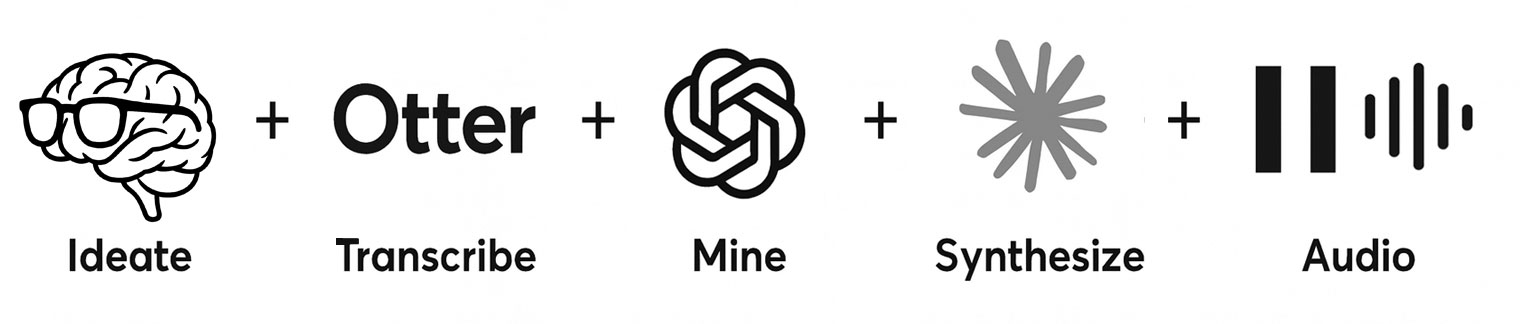
This article, images, and podcast were created with AI assistance. If you would like to learn my process of how I go on walks, talk out my ideas and data mine my thoughts to create content and then automate my vocal performance with 11Labs, you can sign up for my free content creation masterclass here and I'll show you the way. Learn how I've turned over 7 million steps, walking over 3,760 miles into a content generation machine and use AI to data mine my thoughts and generate and polish my content and ideas while getting great exercise outdoors.
By Joshua Lomelino, M.F.A.

Joshua Lomelino, an award-winning designer and educator, developed a framework that eradicated his debts, allowing him to prioritize family time and achieve financial freedom. He transformed his side hustle into a successful venture and now shares his expertise to help others replicate his success. Josh is passionate about helping others make a substantial income with less effort while making a positive impact.
Over the past twenty-five years he’s helped everyone from student entrepreneurs to Fortune 50 companies all over the globe. He’s worked as a graphic designer, web designer, app designer, and full-time educator. He’s dedicated his life to helping others work smarter, not harder. As the founder of Anomaly Studios he has provided digital marketing services, automation, app and UX design, and so much more. His greatest joys are spending time with family and inspiring others to pursue their creative dreams.