| Posted January 12, 2026 | By Joshua Lomelino, M.F.A. | Categorized under Memberships Mastery Podcast |
You're doing it again right now, aren't you?
Checking your phone between bites of lunch. Scanning your inbox during your kid's bedtime story. Feeling that familiar knot in your stomach when a client message comes through on Sunday morning.
You left your job to be free. So why does it feel like you're working more hours, with less security, and somehow more stress than when you had a boss?
Here's the uncomfortable truth: 70% of entrepreneurs work more than 50 hours per week, and nearly half report feeling "burned out." You're not failing at entrepreneurship—you're succeeding at building a prettier prison.
I know because I lived it. Nine months after "escaping" corporate life, I found myself at my kitchen table at 9:30 PM on a Tuesday, hunched over my laptop while my kids went to bed without me…again. I had clients instead of a boss, flexibility instead of boundaries, and what I thought was freedom turned out to be a 24/7 cage of my own design.
In this episode, you'll learn why traditional entrepreneurial "freedom" is actually a trap, and discover the three-layer framework that transformed my chaotic 70-hour weeks into a sustainable business that runs while I hike on Tuesday afternoons.
In our time together today, you're going to learn four important things:
This isn't about working less (though that might happen). It's about designing work that serves your life instead of consuming it.
If you've ever felt like your business owns you instead of the other way around, if you're exhausted from being "always on" but terrified to step away—this framework is your way out.
Let me show you what real freedom looks like. Not the Instagram version. The version that actually works.
When most people dream about entrepreneurship, they imagine freedom. They picture waking up without an alarm clock, sipping lattes in sunny coffee shops, or working poolside while their inbox fills with sales notifications.
I know that picture well, because for years it was mine. Freedom is conveyed as a way to escape… escape from bosses, commutes, meetings, and schedules that dictate your every move.
But here's the surprise I learned the hard way: quitting your job doesn't equal freedom. In fact, without the right systems, it can feel even more restrictive.
Most entrepreneurs chase this mirage of "total freedom" only to discover they've traded one master for many. They escape the corporate cage only to build a golden prison of their own design. The irony is devastating: the very thing we thought would liberate us becomes the chain that binds us tighter than before.
When I launched my business, I thought I'd finally unlocked the door to freedom. Instead, I built myself a prettier prison, complete with flexible hours that stretched into infinity and a "home office" that became my cell.
Sure, I no longer had a boss. But I replaced one boss with twenty clients. Each demanding immediate attention, each treating their project as the most urgent thing in the world.
I no longer had a commute. But I traded it for fourteen-hour days at my kitchen table. The laptop became my shackle, following me to the bedroom, the couch, even vacation. There was no escape from the escape I'd created.
I no longer had meetings. But I was glued to my inbox, answering "urgent" messages at all hours. Sunday mornings, late evenings, family dinners, no moment was sacred when clients expected 24/7 availability.
The corporate world had at least given me boundaries. Now, there were none. The workday never ended because I never decided when it should.
I wasn't free. I was trapped. Only this time, I was the one holding the keys, and somehow, that made it worse.
The breaking point came one Tuesday night around 9:30 p.m. I was hunched over my laptop, back aching from hours in the same position, eyes burning from blue light, troubleshooting a client's website issue that "absolutely had to be fixed tonight."
The house was eerily quiet. My kids had gone to bed without a goodnight story — again. My wife had cleaned up dinner alone yet another time. And if she didn't, the dishes would sit in the sink while I clicked and typed, chasing a problem that would still be there in the morning.
Through the kitchen window, I saw the warm glow of my neighbors' houses. I imagined them laughing together, maybe watching TV, maybe just being present with the people they loved. And here I was, missing the very moments I thought entrepreneurship would give me more of.
The irony hit me like a sledgehammer. I'd started this business to spend more time with my family, yet I was more absent than ever. I'd wanted control over my schedule, yet I was more enslaved to work than when I had a traditional job.
That night I asked myself: Is this really what freedom is supposed to feel like? The answer was devastatingly clear: no.
My story isn't unique. I see this pattern everywhere in the entrepreneurial world.
Can you imagine yourself in one of these scenarios?
The Consultant Who Never Stops Consulting: She left her corporate job to escape the politics and long hours. Two years later, she's working 70-hour weeks, managing difficult clients, and hasn't taken a real vacation since she started. She has flexibility, but no freedom.
The Online Course Creator Who Became a Content Slave: He wanted passive income and location independence. Instead, he's chained to social media, creating content daily, responding to comments, and launching new courses every quarter just to maintain revenue. He built an audience but lost his life.
The Service Provider Who Can't Say No: She dreamed of choosing her clients and setting her rates. Instead, she takes every project that comes her way, works nights and weekends, and lives in constant fear that the next client won't come. She has a business but no boundaries.
Each thought they were building freedom. Instead, they built beautiful, sophisticated traps.
The common thread? They confused activity with progress, busyness with success, and working hard with working smart. They escaped their jobs but brought their prison mindset with them.
That Tuesday night, sitting in my kitchen prison, I realized something fundamental that would change everything: freedom isn't about escape. Freedom is about design.
Most entrepreneurs get this backwards. They think freedom is the absence of structure, the elimination of constraints, the ability to do whatever they want whenever they want.
But that's not freedom. That's chaos masquerading as liberation.
Real freedom isn't reactive; it's proactive. It's not about running from something; it's about running toward something better.
It's not about never working. It's about designing work that supports the life you want.
Work becomes a tool that serves your vision, not a master that demands your soul. You choose projects that align with your values and pay you well, instead of scrambling for anything that pays the bills.
It's not about beaches and laptops. It's about being at your daughter's soccer game at 4:00 on a Tuesday without guilt.
True flexibility means being present for what matters most — and having systems robust enough that your absence doesn't threaten your business.
It's not about checking out of responsibility. It's about checking into the things that matter most.
You become more responsible, not less. You become responsible for designing a life and business that work in harmony instead of constant conflict.
True freedom isn't accidental. It's intentional. And once you understand this distinction, you realize it's closer than you think.
After that wake-up call, I spent months deconstructing what real freedom actually meant. I discovered it's not one thing, but instead it's three interconnected layers that build upon each other.
Most entrepreneurs chase big paydays. They search for the sugar rush of a one-time launch, the dopamine hit of a surprise windfall. They live in feast-or-famine cycles, celebrating the good months and panicking during the lean ones. How do I know that? That was me.
But real freedom comes from stability, not surges.
Financial freedom means your bills are covered predictably each month, without starting at zero. It means your revenue flows even when you step away. It means making decisions from security, not desperation.
For me, that transformation came through building memberships and software subscriptions that created recurring revenue that stacked month after month. Instead of launching, burning out, and repeating, I shifted to predictable monthly income that grew consistently.
The shift in mindset was profound. I stopped thinking like a hunter (always searching for the next kill) and started thinking like a farmer (planting seeds that would harvest repeatedly).
Time freedom isn't about working fewer hours. It's about reclaiming margin in your life.
Margin is the space between your load and your limit. It's what lets you take Friday afternoons off to be with your family. It's what allows you to step away for a long weekend without panic. It's the buffer that keeps you sane when unexpected opportunities or challenges arise.
Most entrepreneurs confuse being busy with being productive. They wear their 80-hour weeks like badges of honor, not realizing they're confessing their lack of systems.
For me, time freedom meant building automation and systems that did the heavy lifting while I focused on high-value activities. I automated client onboarding, scheduled content in advance, and created simple funnels that worked while I slept.
Those hours became breakfasts with my kids, hikes with my wife, and space to think creatively again.
The challenge with time freedom: you have to invest time upfront to create systems that give you time back later. Most people aren't willing to make that trade. They'd rather stay busy than get strategic.
This is the most overlooked layer of all, yet it's arguably the most important. Emotional freedom is when you stop living in constant anxiety about your business collapsing.
It's the ability to celebrate small wins instead of obsessing over what's missing. It's sleeping soundly instead of lying awake spinning scenarios about churn, cash flow, and competition.
Most entrepreneurs live in a state of chronic stress, even when their businesses are successful. They're always waiting for the other shoe to drop, always convinced that today's success is tomorrow's failure.
I found emotional freedom when I stopped treating fear as a red light and started treating it as a spotlight…proof that I was building something that mattered. Fear became information, not intimidation.
The shift: Instead of asking "What if this fails?" I started asking "What if this succeeds?" Instead of preparing for disaster, I started preparing for growth.
Emotional freedom doesn't mean the absence of challenges. It means the presence of confidence that you can handle whatever comes your way.
Here's the thing that most entrepreneurs miss entirely: freedom requires structure first.
That sounds backwards, doesn't it? We think freedom means no rules, no schedules, no systems, just pure, unstructured possibility.
But the truth is, structure is what creates space for freedom.
Think about it: A river without banks isn't more free. It's a flood, chaotic and destructive. The banks don't restrict the river; they give it power and direction.
When you have clear systems for sales, delivery, and community management, you're no longer a prisoner of chaos. You're not constantly putting out fires or scrambling to figure out what to do next.
Structure unlocks choice. And choice is freedom.
With systems in place, you get to choose when and how you work. Without them, work chooses you, and it always chooses the worst possible moments.
Most entrepreneurs resist structure because they think it will limit them. In reality, it's the lack of structure that's keeping them trapped.
Too many entrepreneurs chase freedom like it's a jackpot…one big payday, one viral moment, one perfect launch that will solve everything forever.
But freedom doesn't come from a lottery win. It comes from compound interest.
Just like financial investments, freedom requires small, consistent deposits over time. Each system you build, each process you refine, each boundary you establish adds to your freedom account.
Month after month, those deposits of effort grow into stability, margin, and peace. The returns accelerate as your systems begin working together, creating synergies you never anticipated.
Freedom isn't flashy. It's steady.
There's no dramatic moment when you suddenly "arrive" at freedom. Instead, you gradually realize you've been living it for weeks or months without noticing.
And steady beats jackpot every time: because steady is sustainable, predictable, and within your control.
Here's what freedom looks like in my life today, not the Instagram version, but the real, unglamorous, beautiful version:
Eating breakfast with my kids most mornings instead of rushing out the door while checking emails on my phone. We talk about their dreams, their fears, their plans for the day. These conversations happen because I have margin, not because I got lucky with my schedule.
Hiking on a random Tuesday afternoon because my systems keep the business running while I'm breathing mountain air and remembering why I started this journey. The business doesn't miss me for three hours.
Traveling with my laptop mostly closed because revenue continues while I'm away. I check in once a day, handle anything urgent, then focus on being present with my family. The business has grown beyond needing my constant attention.. at least that’s what I’m working towards and most times that’s the case.
Hearing from customers who've achieved breakthroughs using the programs and tools I built. Their success compounds without my direct involvement, creating impact while I sleep. This is leverage: when your work continues working long after you've finished it.
Notice what's missing from this picture: I'm not saying freedom means never working. I still work, probably more strategically and intensely than ever. But I choose when, where, and how.
The difference is profound: work now supports my life instead of consuming it.
If you feel like your business owns you instead of serving you, you're not broken. You're not failing. You're just building without the right layers.
The path to freedom isn't mysterious or complex. It follows the same three-layer framework:
Start with stability. Build predictable revenue streams before chasing big launches. Focus on retention over acquisition. Create systems that generate income while you focus on growth.
Add margin. Automate what can be automated. Systematize what can be systematized. Create boundaries around your time and energy. Say no to opportunities that don't align with your vision.
Build peace. Reframe challenges as growth opportunities. Celebrate small wins consistently. Develop confidence in your ability to handle whatever comes next.
Financial freedom. Time freedom. Emotional freedom.
These layers build upon each other. You can't skip steps, but you also don't need to perfect one layer before starting the next. Progress, not perfection.
Before you click away from this article, take a moment to honestly assess where you are:
Which layer of freedom are you missing most right now? Financial stability, time margin, or emotional peace?
What's one system you could build this month that would give you back 5 hours per week? Don't overthink it. Pick something small and start there.
If you had complete freedom for just one day, how would you spend it? Now, what would need to be true about your business for that to become your regular Tuesday?
What are you afraid will happen if you step away from your business for a weekend? Those fears point directly to the systems you need to build next.
Your answers to these questions aren't just interesting. They're your roadmap to real freedom.
Freedom isn't a jackpot. It's compound interest. And the sooner you start depositing, the sooner it grows.
I created a free resource that is my Freedom Framework Guide. It walks you through the exact steps I used to build financial, time, and emotional freedom. without sacrificing your life to your business.
Grab your copy here: https://amp.anomalystudios.com/masterclass
That's it for today's installment. Tune in next time, where I'll share how perfection was killing my business and how imperfection finally made me profitable.
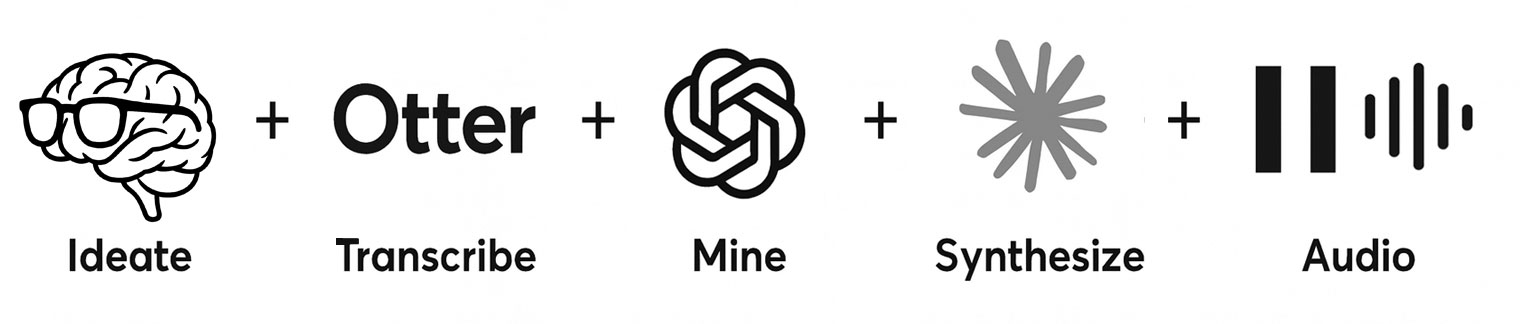
This article, images, and podcast were created with AI assistance. If you would like to learn my process of how I go on walks, talk out my ideas and data mine my thoughts to create content and then automate my vocal performance with 11Labs, you can sign up for my free content creation masterclass here and I'll show you the way. Learn how I've turned over 7 million steps, walking over 3,760 miles into a content generation machine and use AI to data mine my thoughts and generate and polish my content and ideas while getting great exercise outdoors.
By Joshua Lomelino, M.F.A.
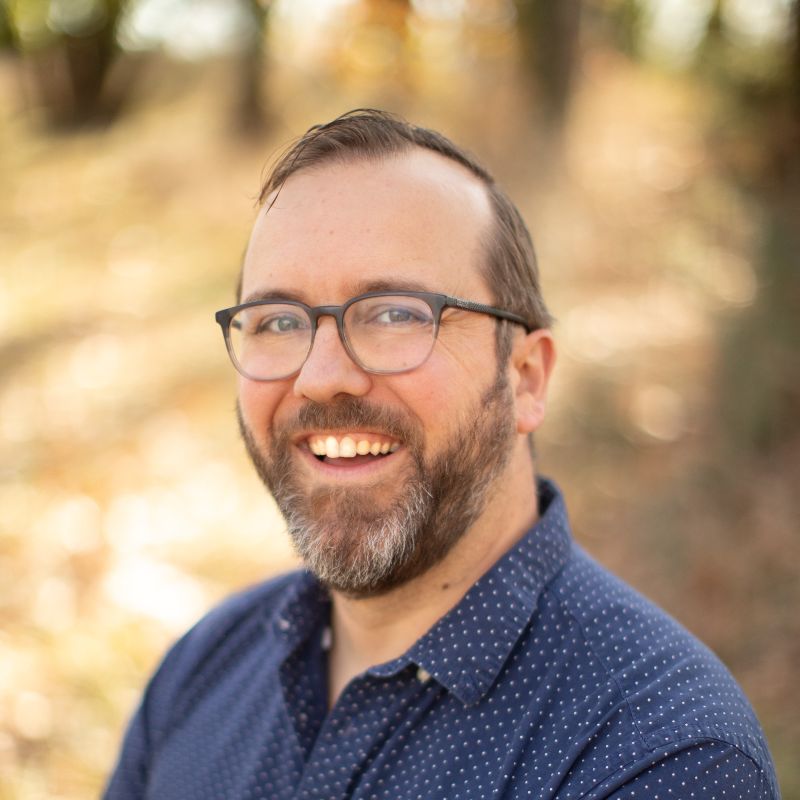
Joshua Lomelino, an award-winning designer and educator, developed a framework that eradicated his debts, allowing him to prioritize family time and achieve financial freedom. He transformed his side hustle into a successful venture and now shares his expertise to help others replicate his success. Josh is passionate about helping others make a substantial income with less effort while making a positive impact.
Over the past twenty-five years he’s helped everyone from student entrepreneurs to Fortune 50 companies all over the globe. He’s worked as a graphic designer, web designer, app designer, and full-time educator. He’s dedicated his life to helping others work smarter, not harder. As the founder of Anomaly Studios he has provided digital marketing services, automation, app and UX design, and so much more. His greatest joys are spending time with family and inspiring others to pursue their creative dreams.