
| Posted March 2, 2026 | By Joshua Lomelino, M.F.A. | Categorized under Memberships Mastery Podcast |
Model & Offer: Model Complexity
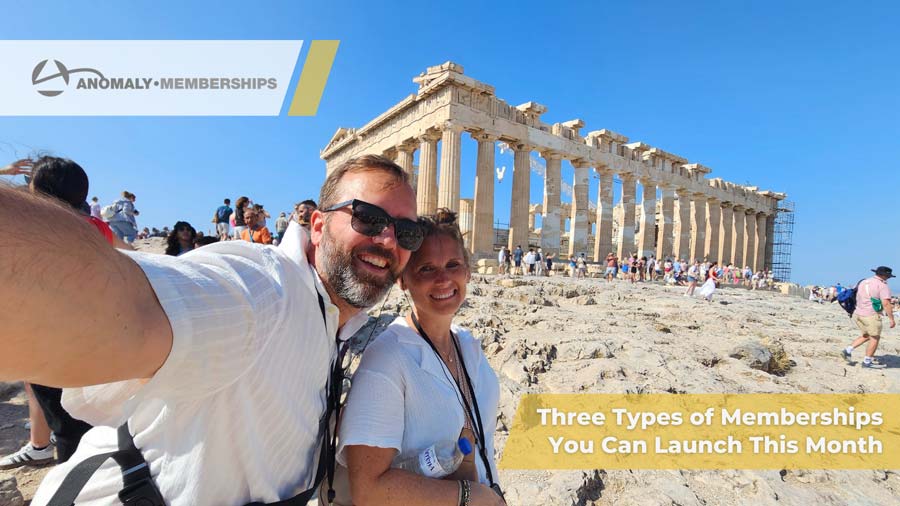
I wasted nearly ten years building a membership that never launched. To put it in perspective, that’s roughly the time it took to build the majority of the parthenon in Greece.
Why did this happen? Not because I lacked expertise. Not because I didn't have an audience. But because I convinced myself it needed to be massive before it could matter.
Every week, I'd add more modules to my plan. More bonus content. More community features. More automation sequences. My planning document grew to 47 pages. My content calendar stretched two years into the future.
And I had zero paying members.
The irony was suffocating. While I was busy architecting the perfect membership empire, entrepreneurs with simpler ideas and clearer focus were already serving members and collecting monthly revenue.
Here's the faulty mental formula that tripped me up: complexity equals credibility.
I thought a membership with three video lessons looked amateur. I thought members would judge me for not having a massive content library, intricate tier structures, and sophisticated gamification systems.
I was wrong. Dead wrong.
In the next few minutes, you'll discover why thinking your membership must be huge is actually preventing you from launching, the three simple models every successful membership fits into, and the exact framework for identifying which model matches your strengths and your audience's transformation.
This is for you if you're overbuilding before you've validated anything with real members, if you feel overwhelmed by all the features you think you need to compete, or if you know your expertise could help people but the complexity is keeping you stuck.
For nine months, my membership existed only on whiteboards and in spreadsheets.
I had mapped out learning paths for three different skill levels. I had designed badge systems, progress tracking dashboards, and certification programs. I had outlined quarterly challenges, monthly themes, and weekly deliverables that would keep members engaged for years.
My feature list included forums, live coaching calls, resource libraries, member directories, private podcasts, bonus workshops, accountability pods, and a mobile app roadmap.
And through all of that planning, I never asked the most important question: "What's the simplest version that could help someone today?"
The planning felt productive. It looked like progress when I spent time color-coding my content calendar. But underneath all that busy work, I was simply terrified of launching something real.
Complexity was my shield. If I never finished building, I'd never have to face the possibility that people might not want what I'd created.
The breaking point came one Tuesday afternoon.
I was sitting at my desk, staring at yet another flowchart mapping member journeys through my elaborate content structure. My coffee had gone cold hours ago.
My wife walked past my office. "Still working on the membership?"
I didn't look up. "Just finalizing the tier structure. Maybe another week or two."
She paused in the doorway. "You said that three months ago."
The words hit like cold water to the face.
I opened my project folder. Nine months of planning. Thousands of dollars spent on courses about membership design. Dozens of competitor sites analyzed. And the only thing I'd actually built was an intimidating, overwhelming, unfinished monument to overthinking.
That's when I finally admitted the truth: I wasn't building a membership. I was building an excuse to avoid launching.
The next day, I swallowed my pride and reached out to a mentor who'd successfully launched multiple memberships.
"I'm stuck," I confessed. "My membership plan is 47 pages long and I haven't launched. I keep adding features but I can't seem to finish anything."
He laughed. Not mockingly, but with recognition. "Let me guess. You're trying to compete with memberships that have been building content for five years?"
"I just want it to be valuable enough that people will actually pay for it."
"Stop right there," he said. "Every membership in the world fits into one of three simple models. Pick one and launch it this month."
I started to protest. Surely successful memberships were more sophisticated than that.
"Name five memberships you admire," he challenged.
I listed them. A fitness program. A business mastermind. An art tutorial site. A productivity system. A writing community.
"Every single one you just named is either giving people content to consume, community to connect with, or coaching to transform them. Content, community, or coaching. That's it. Everything else is decoration."
That single insight shattered my complexity prison.
Over the following weeks, I couldn't stop seeing this pattern in successful memberships around me.
A service professional built a thriving membership around monthly group coaching calls and a private forum where members supported each other. No massive content library. No elaborate tier structure. Just consistent coaching and authentic community. Hundreds of members paying monthly because the transformation was tangible and the connection was real.
A creative educator built a membership focused entirely on weekly tutorials and technique breakdowns. Members could learn and practice at their own pace without social pressure. No live calls. No required community interaction. Just exceptional content delivered consistently.
A consultant built a membership that was essentially a growing library of templates, frameworks, and systems members could implement immediately. Monthly content drops added new resources. No coaching. No community interaction necessary. Members joined for the tools and stayed for the expanding collection.
The pattern was undeniable: the most successful memberships weren't trying to be everything to everyone. They were excellent at one specific thing.
Here's the truth most membership gurus won't tell you: every membership, no matter how big or polished, fits into three simple forms.
The mainstream advice tells you to create an all-in-one membership experience. This is like trying to be a restaurant, gym, and library all at once. It sounds impressive, but it's a recipe for mediocrity.
The reality is simpler and more powerful.
Choose from Content-driven, Community-driven, Coaching-driven. Then later mix and match.
When I understood this, everything shifted. I stopped feeling like I had to build an empire. I just had to pick the model that aligned with my strengths and my audience's deepest needs.
Think of membership models as vehicles. You wouldn't try to build a car-boat-plane hybrid for your first launch. You'd choose the vehicle designed for the terrain you need to cross.
Every membership fits into one of three categories.
This is the library model. Members pay for organized, high-quality resources they can access on their own schedule.
What it looks like: video lessons, templates, frameworks, courses, tutorials, guides, toolkits, recorded workshops. Members consume at their own pace. Your primary job is creating and curating excellent educational content. It can also include apps, software-as-a-service platforms, or AI tools.
But here’s the evolution:
The Access Model is no longer limited to a content library.
It can also be paid access to a proven workflow.
Instead of simply giving people information, you give them a structured path and a trackable, step-by-step framework they move through. That might include implementation checklists, milestone dashboards, guided sequences, or even an AI tool that helps them apply your methodology in real time.
In other words, members are not just consuming content. They are executing a system.
You are not just selling knowledge. You are selling access to a tested process that produces results.
Think of this as the reliable car. It efficiently transports people from confusion to clarity through structured content they can consume on their timeline.
When it works best: You're an educator who loves teaching and creating learning materials. Your audience wants self-paced learning without time pressure.
The advantage: Highly scalable because one piece of content serves unlimited members. You can build while you sleep, creating assets that work for you continuously.
The critical pitfall: Don't drown members in volume. One well-executed training beats ten mediocre ones every time.
This is the gathering place model. Members pay for access to other people on the same journey, facilitated and guided by you.
What it looks like: forums, group calls, peer accountability structures, networking opportunities, shared experiences. Members primarily interact with each other. Your job is creating the space and culture where transformation happens through connection.
Think of this as the bus. You're all traveling together, supporting each other, sharing the experience. The energy comes from the group, and the destination feels more achievable because no one is traveling alone.
When it works best: You're a natural facilitator who energizes groups and builds culture. Your audience craves belonging, peer support, and shared accountability.
The advantage: Naturally engaging and sticky because members create value for each other. Your role shifts from constant content production to thoughtful culture stewardship.
The critical pitfall: You don't have to generate non-stop conversation. Set the culture, ask the right questions, and let the community carry the momentum.
This is the guided journey model. Members pay for your direct expertise applied to their specific situations.
What it looks like: group coaching calls, hot seat sessions, live Q&A, personalized feedback, implementation support. Members get regular access to your attention and expertise.
Think of this as the plane. Premium, personalized transportation that covers ground faster through direct expert intervention. Members get where they want to go faster because you're navigating the most efficient route based on their specific situation.
When it works best: You're a consultant or coach who loves solving problems in real-time. Your audience needs customized guidance for their unique situations.
The advantage: Premium pricing because direct access to expertise is genuinely scarce and valuable. Creates deep impact through individualized attention.
The critical pitfall: Don't overcommit your time. Set clear boundaries for availability. The scarcity of access actually increases the perceived value.
You don't need all three models. You need one model that matches your natural strengths and delivers your audience's desired transformation.
I thought my membership needed video lessons and community forums and coaching calls and resource libraries and certification programs. I was trying to build a car-boat-plane hybrid before I'd ever successfully driven a car.
When I finally chose one model, everything accelerated.
I picked the Access Model because I genuinely love creating educational content and my audience wanted self-paced learning they could fit around their schedules. I launched with nine video lessons, three implementation templates, and a clean member portal.
No community forum. No coaching calls. No elaborate tier system. Just focused, valuable content organized for clear transformation.
The simplicity gave me momentum I never had when I was trying to build everything at once.
Today, my membership doesn't attempt to be everything. It excels at one thing: delivering high-quality, well-organized educational content that creates genuine transformation.
I launch fresh content monthly with automation instead of planning theoretically for years. I serve hundreds of members with a model that scales naturally without requiring my constant presence.
I'm not claiming my model is universally superior. I'm claiming that choosing one clear model is what finally unlocks forward movement and revenue.
Some of my most successful peers run thriving Community Models with minimal pre-produced content. Others run premium Coaching Models with intentionally small cohorts and significantly higher pricing. The specific model isn't what determines success. The clarity of choosing one and executing it well is what unlocks sustainable growth.
My business grew when I stopped trying to build an impressive monument and started operating a vehicle that actually moved.
If your membership feels overwhelming right now, you're not failing at entrepreneurship. You're just trying to build all three vehicles simultaneously before you've successfully driven one.
The entrepreneurs launching this month aren't smarter or more prepared than you. They simply picked one model and committed to making that single model excellent.
Your expertise is ready. Your audience exists and is waiting. The only missing piece is the decision to radically simplify.
Before you close this article, answer these three questions:
Which model genuinely matches your natural strengths? Do you love creating educational content, facilitating group connection, or solving specific problems through direct coaching?
Which model does your audience's transformation actually require? Do they primarily need organized information, supportive community, or personalized guidance?
Which model can you realistically launch in the next 30 days? Not eventually. Not someday when you're ready. Which one can you launch next month and start serving real paying members?
Your honest answers reveal your starting point. Don't second-guess them. Don't overcomplicate them. Just choose and build.
Which of the three models feels most natural to how you already deliver value? And what has been the real thing keeping you from launching? Drop your answer in the comments.
I created a resource called the Membership Model Picker, a straightforward framework that helps you identify which of the three models best fits your unique strengths and your audience's specific transformation needs. It walks you through the exact questions I desperately wish someone had asked me before I spent nine months overcomplicating everything.
Send me a message and I'll get it to you.
That's it for today's installment. Tune in next time and I'll be showing you how to choose the right membership model for your specific business situation and avoid the common traps that derail even experienced entrepreneurs.
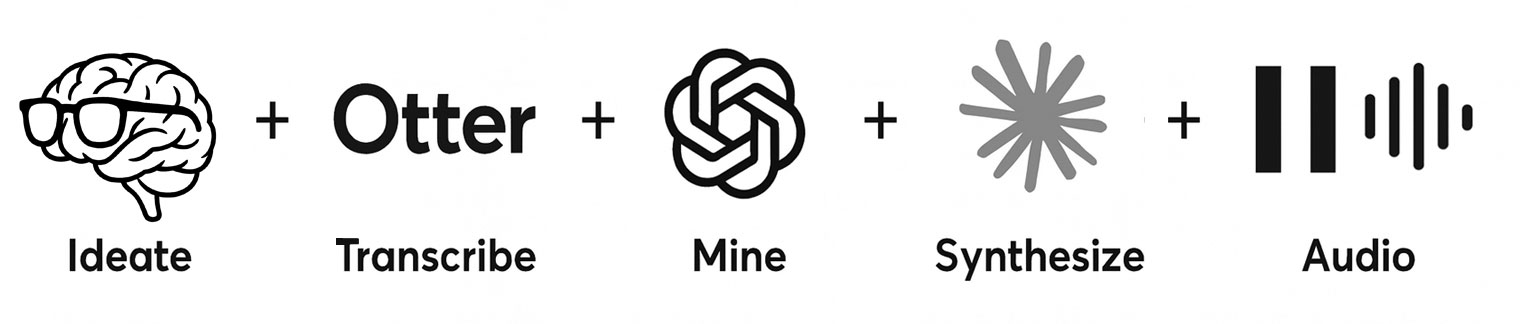
This article, images, and podcast were created with AI assistance. If you would like to learn my process of how I go on walks, talk out my ideas and data mine my thoughts to create content and then automate my vocal performance with 11Labs, you can sign up for my free content creation masterclass here and I'll show you the way. Learn how I've turned over 7 million steps, walking over 3,760 miles into a content generation machine and use AI to data mine my thoughts and generate and polish my content and ideas while getting great exercise outdoors.
By Joshua Lomelino, M.F.A.

Joshua Lomelino, an award-winning designer and educator, developed a framework that eradicated his debts, allowing him to prioritize family time and achieve financial freedom. He transformed his side hustle into a successful venture and now shares his expertise to help others replicate his success. Josh is passionate about helping others make a substantial income with less effort while making a positive impact.
Over the past twenty-five years he’s helped everyone from student entrepreneurs to Fortune 50 companies all over the globe. He’s worked as a graphic designer, web designer, app designer, and full-time educator. He’s dedicated his life to helping others work smarter, not harder. As the founder of Anomaly Studios he has provided digital marketing services, automation, app and UX design, and so much more. His greatest joys are spending time with family and inspiring others to pursue their creative dreams.