
| Posted November 28, 2025 | By Joshua Lomelino, M.F.A. | Categorized under Memberships Mastery Podcast |
Your course content is mapped out. Your membership platform is ready. But there's one thing stopping you from launching:
That camera sitting on your desk.
Every time you think about pressing record, your stomach drops. You tell yourself you'll start tomorrow. Next week. When you feel more ready.
But here's what no one tells you: the camera fear doesn't go away on its own. And every day you wait is another day your business stays stuck.
If you've ever deleted a video seconds after recording it, or spent hours "preparing" to avoid actually filming, this is for you.
In the next 7 minutes, I'll show you:
You don't need to become a polished performer. You just need to show up as yourself.
Let me show you how.
The first time I turned on my camera to record a course, I froze.
My hands were sweaty. My mouth went dry. My carefully written notes blurred together like nonsense. I stumbled through three sentences, stopped, hit delete, and shoved the camera back in its box.
For weeks, it sat on my desk like a silent judge.
Every day I avoided recording was another day I delayed building my membership. But I kept telling myself, I’ll start once I feel more confident. I’ll start when I have the right setup.
And here’s the truth: if you’ve ever felt this way, you’re not alone. Being on camera feels vulnerable. It forces you to see yourself the way others do.
But avoiding the camera doesn’t just hold back your content — it holds back your business.
Here’s what I eventually realized: it wasn’t that I lacked confidence as a teacher. I’d spoken to classrooms, led workshops, even presented on stage. Live teaching energized me.
But the moment the little red light blinked on, something changed.
Why? Because the camera felt like a spotlight without feedback. No nods, no smiles, no laughter to ease the tension. Just me, alone with my own self-doubt.
That self-doubt whispered:
Those whispers grew louder than my content.
And instead of pressing record, I started tinkering with gear. Maybe a better microphone would help. Or professional lights. Or a script so tight I couldn’t possibly mess it up.
Spoiler: none of that solved the real problem.
One day, a mentor asked me a question that changed everything.
“If you had 10 of your ideal clients sitting in a room right now, could you teach them?”
I laughed. “Of course.”
“Then do exactly that,” he said. “Talk to the camera like those 10 people are right there.”
That single shift broke the spell. I stopped seeing the camera as a machine judging me and started seeing it as a bridge connecting me to real people.
The first video I recorded after that wasn’t perfect. I stumbled over a phrase. My lighting was uneven. But when I watched it back, something struck me: it still worked. My teaching came through.
And when I finally shared it? My audience didn’t care about the stumbles. They cared about the clarity, the story, and the value.
That’s when I realized: confidence isn’t a prerequisite for recording. Confidence is the result of recording.
If the camera is holding you back from launching your course or membership, here’s a simple roadmap I wish I’d had sooner:
Step 1: Focus on One Person, Not an Audience
Imagine your best client sitting across from you. Record your video as if you’re speaking only to them. The intimacy makes your delivery warmer and more natural.
Step 2: Lower the Stakes
Stop treating your first recordings like a TED Talk. Start with a 3–5 minute tip video. One take, no pressure. The point isn’t perfection — it’s momentum.
Step 3: Create Comfort Through Familiarity
Record in a setting you already feel relaxed in — your home office, a quiet corner, even your kitchen table. Confidence grows where comfort lives.
Step 4: Watch Yourself With Curiosity, Not Criticism
When reviewing your video, ask: Did I explain this clearly? Would my client understand it? Don’t obsess over your hair, voice, or background. Your audience won’t.
Step 5: Practice Consistency Over Perfection
Confidence is a muscle. Record regularly, even if you never publish some takes. Every rep makes the next one easier.
For months, I thought I needed to become someone else to be confident on camera. Maybe more polished, more charismatic, more “professional.”
But the truth is, I didn’t need to become someone else. I needed to become more myself.
Confidence didn’t come from fancier gear or flawless delivery. It came from letting go of performance and focusing on connection.
Once I stopped trying to impress and started trying to serve, everything changed.
The longer you avoid the camera, the longer you delay your membership growth.
Video accelerates trust. It allows your audience to see your face, hear your voice, and feel your authenticity in ways text alone never can.
You don’t need to master video to get results. You just need to show up.
Because your audience isn’t waiting for a polished performer. They’re waiting for you — the real you, sharing what you know in the way only you can.
If camera nerves are holding you back, I’ve put together my On-Camera Confidence Checklist — the 7 steps I used to go from frozen to fluent on video.
It’s free, and it’s designed for entrepreneurs who want to record authentic, engaging lessons without waiting until they “feel ready.”
Send me a message and I'll connect you with what you need to move forward.
The fastest way to get better on camera is to start.
This checklist will help you take that first step today.
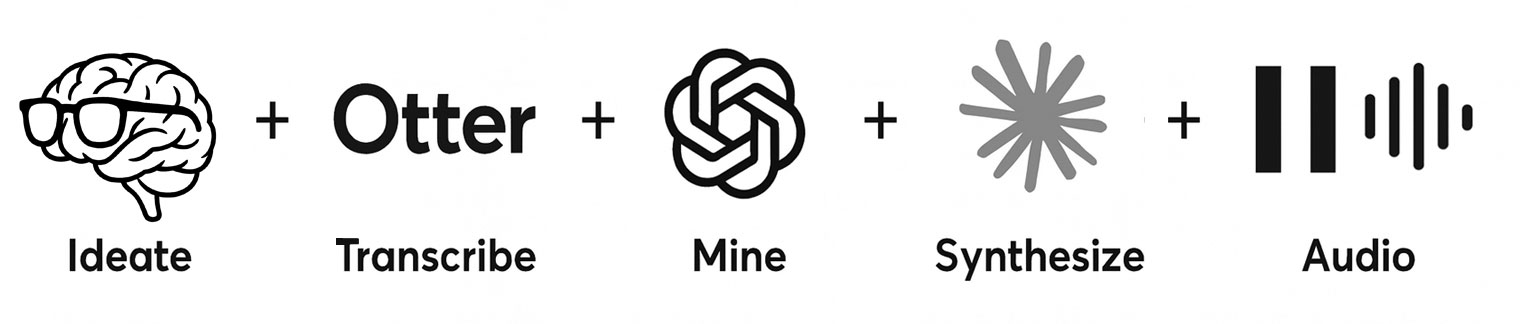
This article, images, and podcast were created with AI assistance. If you would like to learn my process of how I go on walks, talk out my ideas and data mine my thoughts to create content and then automate my vocal performance with 11Labs, you can sign up for my free content creation masterclass here and I'll show you the way. Learn how I've turned over 7 million steps, walking over 3,760 miles into a content generation machine and use AI to data mine my thoughts and generate and polish my content and ideas while getting great exercise outdoors.
By Joshua Lomelino, M.F.A.

Joshua Lomelino, an award-winning designer and educator, developed a framework that eradicated his debts, allowing him to prioritize family time and achieve financial freedom. He transformed his side hustle into a successful venture and now shares his expertise to help others replicate his success. Josh is passionate about helping others make a substantial income with less effort while making a positive impact.
Over the past twenty-five years he’s helped everyone from student entrepreneurs to Fortune 50 companies all over the globe. He’s worked as a graphic designer, web designer, app designer, and full-time educator. He’s dedicated his life to helping others work smarter, not harder. As the founder of Anomaly Studios he has provided digital marketing services, automation, app and UX design, and so much more. His greatest joys are spending time with family and inspiring others to pursue their creative dreams.